Good nutrition is key to mental health. The brain needs healthy fats, lean protein, complex carbs, vitamins, minerals, and enough water to make neurotransmitters, balance mood, keep energy up, and reduce inflammation. Eating whole foods—vegetables, fruits, whole grains, legumes, nuts, seeds, and fatty fish—links to less depression and anxiety, better thinking, and greater stress resilience. Diets high in processed foods, added sugars, and unhealthy fats worsen mood, harm concentration, and raise disease risk. Nutrition is a powerful, changeable way to support mental health. Explore the content below to link to nutritional facts, tips, and this month’s selected healthy recipes! Click here to offer your ideas and recommendations!
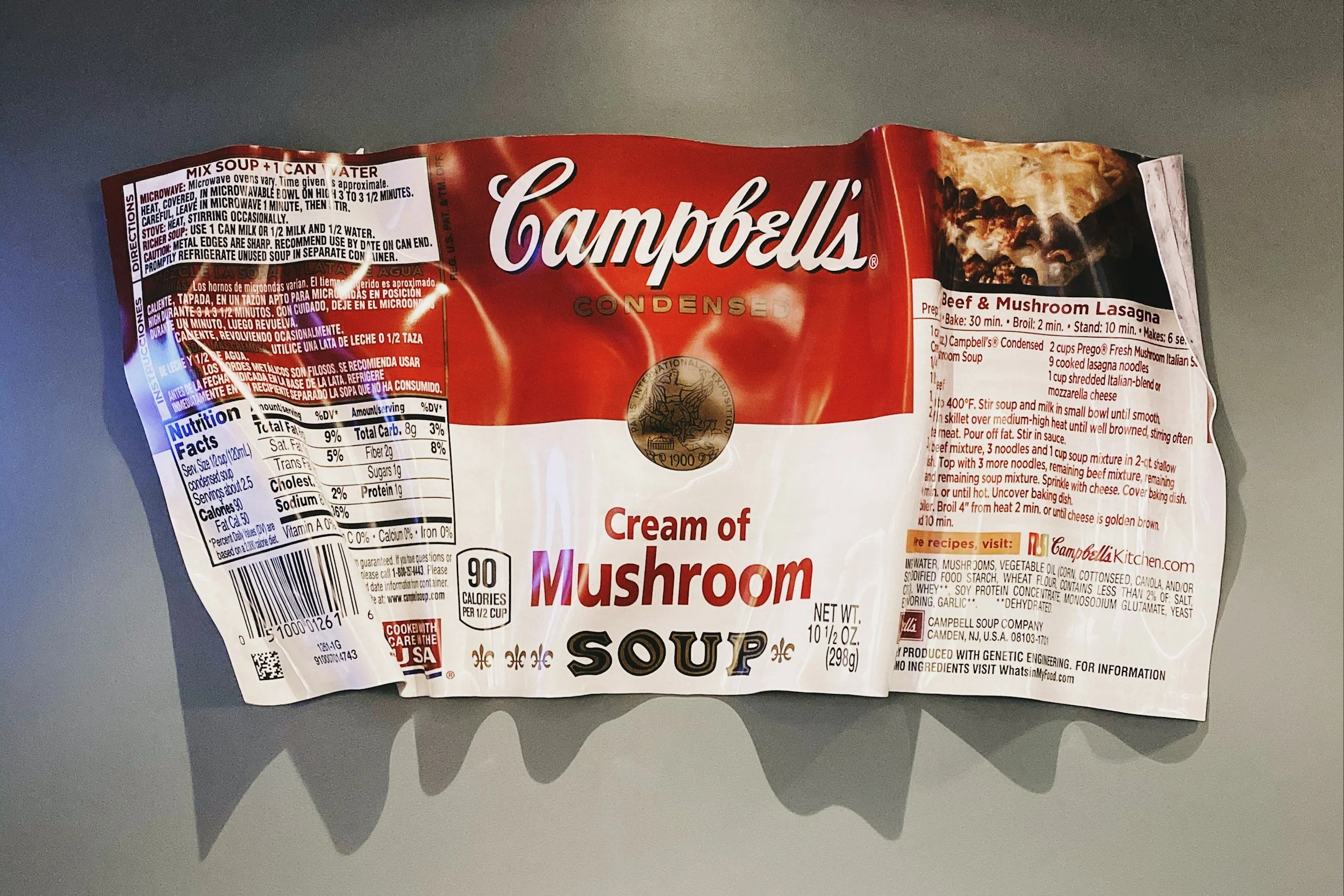
Reading food labels lets you see what’s really in a product—calories, serving size, fats, sugars, sodium, fiber, and key vitamins. Compare similar products to choose ones that match your health goals—weight, blood pressure, or energy—and build a balanced, nutrient-rich diet. Get more tips from the American Diabetes Association.

Good Morning Egg Roll-Up! Try this kid friendly, heart-friendly, low calorie, healthy recipe from Heart/Stroke. It takes less than minutes to prepare and cook! Click the button below to give it a try.

Why is drinking water so important? Click the button below to learn about the benefits of water for your health, and how it is recommended you should drink each day.

“Eating Healthy Across Cultural Cuisines: Soul Food,” by Live Healthy, published June 2022. Click the the button below to read how to use smart cooking methods and healthy food substitutes for a tasty and healthier Southern U.S. meal.